Plywood Subfloor Repair in Wilmington, NC
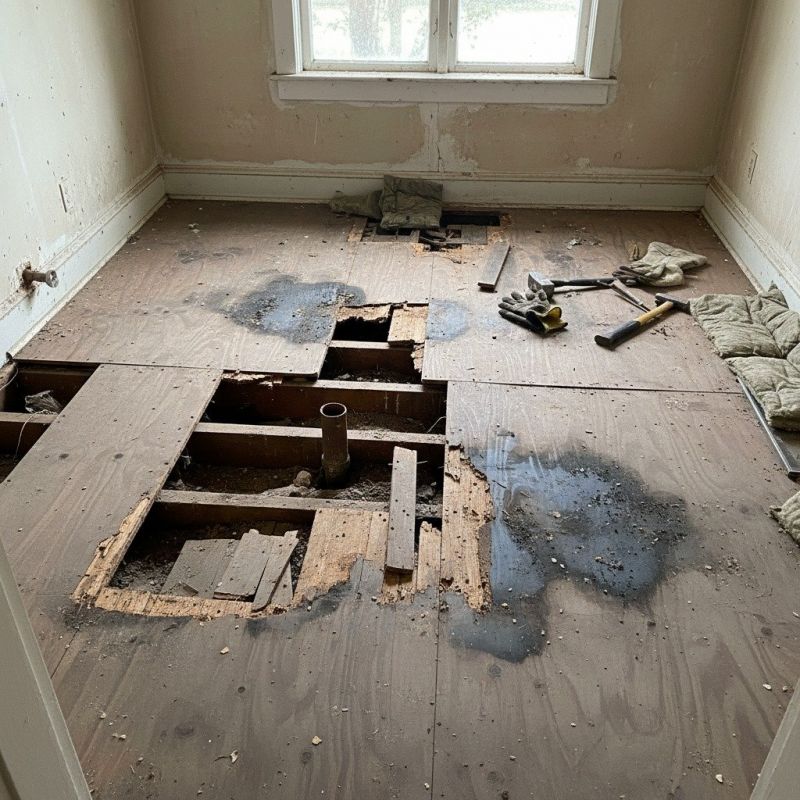
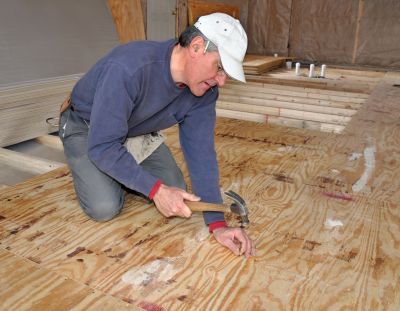
Plywood subfloor repair services involve assessing and restoring the structural integrity of the plywood layers beneath a building’s flooring. This service is commonly requested for residential projects such as home renovations, remodeling, or addressing issues like sagging, warping, or water damage. Property owners typically seek this repair to ensure a stable, level surface for installing new flooring or to resolve problems caused by moisture, rot, or pests that compromise the subfloor’s strength.
Before requesting plywood subfloor repair, property owners usually want to understand the extent of the damage and whether replacement or reinforcement is necessary. It’s important to consider the age of the existing subfloor, the presence of ongoing moisture issues, and the overall condition of the surrounding structure. Proper assessment helps determine the most effective repair approach, ensuring the long-term stability of the flooring system and preventing future problems.
Many property owners in Wilmington, NC look into Plywood Subfloor Repair for repairs, replacements, upgrades, and appearance-related improvements.
Signs Of Plywood Subfloor Damage
Warped, creaking, or uneven flooring can indicate subfloor issues needing attention.
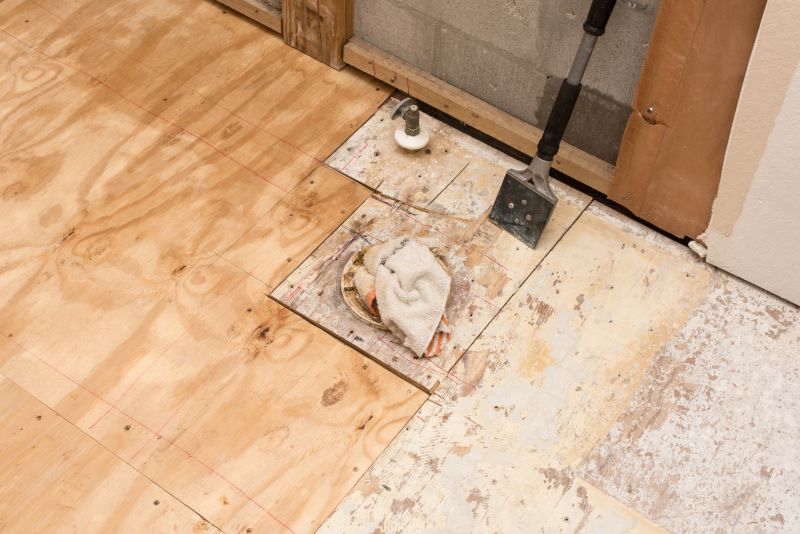
Common Causes Of Subfloor Problems
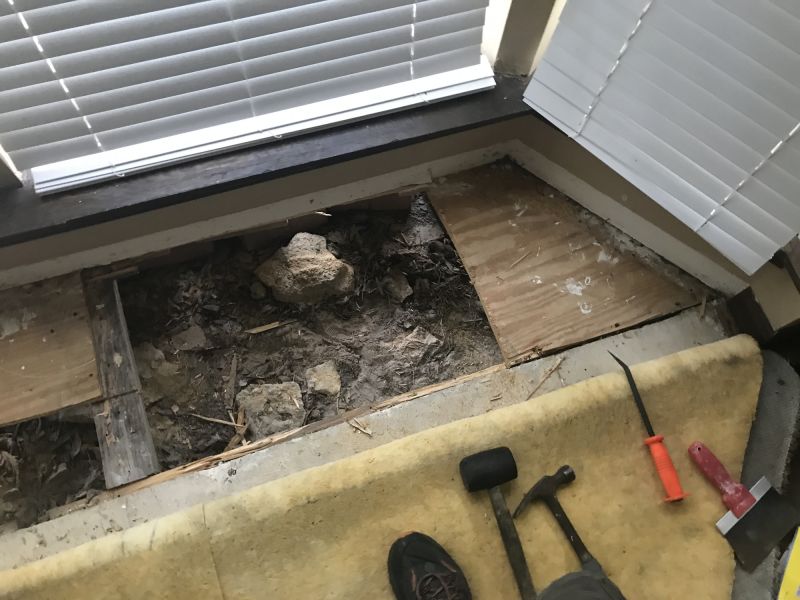
Water leaks, excessive moisture, and structural shifts often lead to plywood subfloor deterioration.
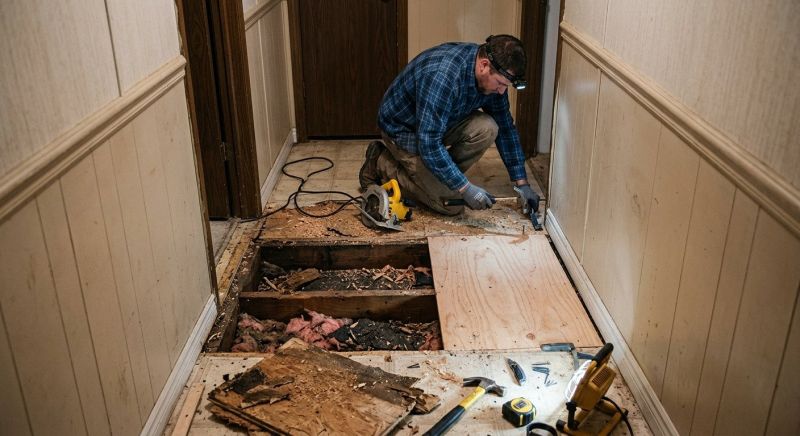
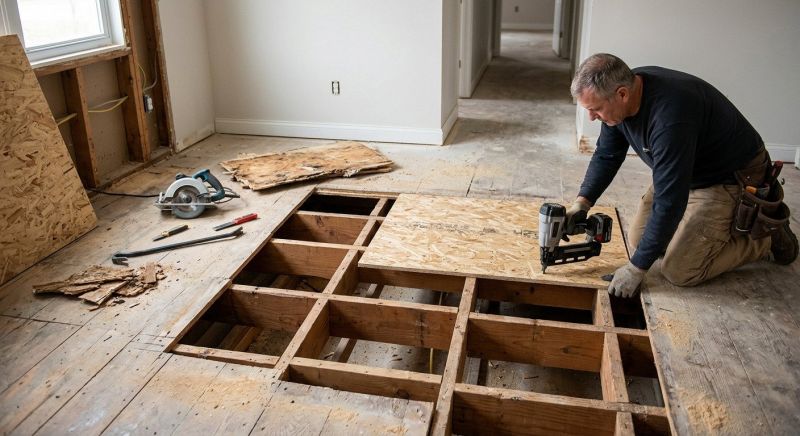
Repair And Replacement Options
Proper patching or full replacement restores stability and safety to affected subfloors in wilmington homes.
Plywood Subfloor Repair in Wilmington, NC
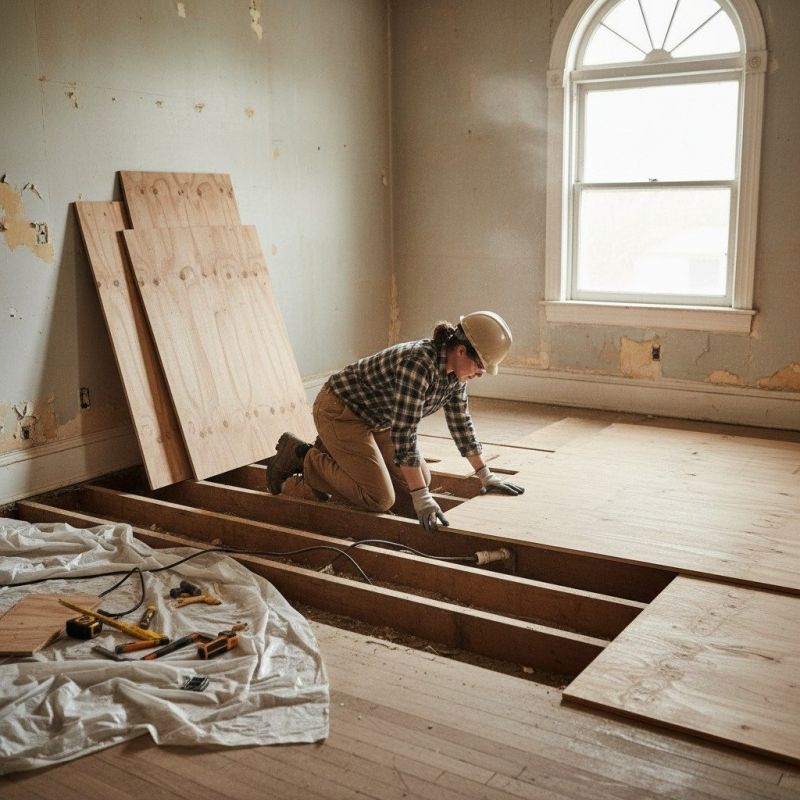
Plywood subfloor repair services involve assessing and restoring the structural integrity of the plywood layers beneath a building’s flooring. This service is commonly requested for residential projects such as home renovations, remodeling, or addressing issues like sagging, warping, or water damage. Property owners typically seek this repair to ensure a stable, level surface for installing new flooring or to resolve problems caused by moisture, rot, or pests that compromise the subfloor’s strength.
Before requesting plywood subfloor repair, property owners usually want to understand the extent of the damage and whether replacement or reinforcement is necessary. It’s important to consider the age of the existing subfloor, the presence of ongoing moisture issues, and the overall condition of the surrounding structure. Proper assessment helps determine the most effective repair approach, ensuring the long-term stability of the flooring system and preventing future problems.
Many property owners in Wilmington, NC look into Plywood Subfloor Repair for repairs, replacements, upgrades, and appearance-related improvements.
Common Plywood Subfloor Repair Jobs
Plywood subfloor repair - restores structural stability to damaged or weakened subfloor areas.
Water damage repair - addresses issues caused by leaks or flooding that compromise plywood subfloors.
Rot and mold removal - eliminates decay and mold growth to improve indoor air quality and safety.
Subfloor patching - fills and levels damaged sections to prepare for new flooring installation.
Sound and vibration insulation - improves comfort by reducing noise caused by uneven or damaged subfloors.
Subfloor leveling - corrects uneven surfaces for a smooth, safe flooring surface.
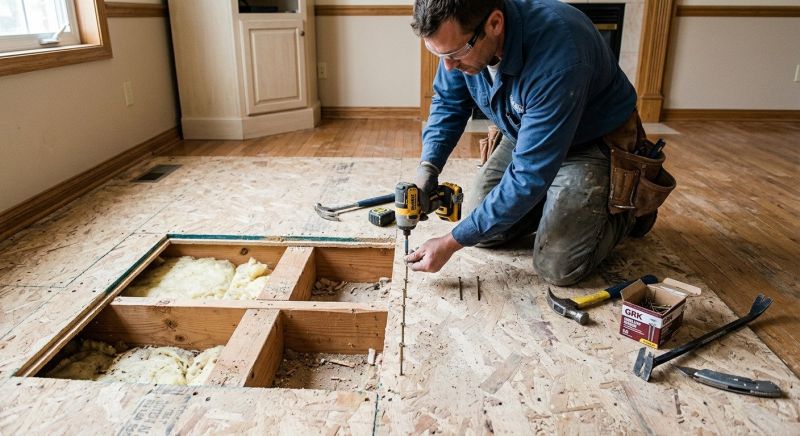
Plywood Subfloor Repair Questions
What causes plywood subfloor damage? Plywood subfloors can be damaged by moisture, water leaks, or heavy loads, leading to warping or rot.
How can I tell if my subfloor needs repair? Signs include sagging, uneven flooring, or visible water stains and mold on the surface.
What types of repairs are common for plywood subfloors? Repairs often involve replacing damaged sections, reinforcing with new plywood, or leveling uneven areas.
Is plywood subfloor repair necessary before installing new flooring? Yes, repairing damaged or weakened subfloors helps ensure a stable and durable foundation for new flooring.
Request Plywood Subfloor Repair in Wilmington, NC
Use the quote form on this page to share the basics of your project and request more information for the type of work you need.