Compare Local Contractors for Porch Framing Projects
Compare local contractors for porch framing to define project scope, verify experience, and set clear expectations in writing for a successful outcome.
Porch framing services typically encompass the construction and installation of the structural framework that supports a porch. This includes building the foundation, erecting the vertical supports or posts, and creating the horizontal beams and joists that form the porch's base. Proper framing ensures the stability and safety of the porch, providing a solid foundation for the finishing elements such as decking, railings, and roofing. When selecting a contractor, property owners should clarify the scope of work, including the materials to be used, the design specifications, and any additional features or structural considerations, to ensure the project aligns with their expectations.
Defining the scope of porch framing work is essential for establishing clear project boundaries and avoiding misunderstandings. A well-detailed scope helps property owners communicate their needs effectively and allows contractors to provide accurate assessments of what the job entails. It also facilitates the comparison of different service providers by enabling property owners to evaluate the extent of work, experience with similar projects, and the quality of materials and techniques used. Having a written scope can serve as a reference throughout the project, helping to keep the work on track and aligned with the initial plan.
When comparing local contractors for porch framing, property owners should consider the experience and reputation of each service provider. Verifying how long a contractor has been working in the area and reviewing their portfolio of completed projects can provide insight into their expertise and reliability. It’s also helpful to ask for references or examples of similar jobs, ensuring the contractor understands local building codes and best practices. By reviewing credentials, clarifying the scope of work in writing, and asking detailed questions about their approach, property owners can make informed decisions and choose a contractor who meets their specific needs for porch framing projects.
Compare local contractors by outlining your project priorities, verifying experience, and setting clear expectations in writing.
- Compare Contractors - evaluate multiple service providers to find the best match for porch framing needs.
- Define Project Scope - clearly outline the work details to ensure all parties understand the requirements.
- Verify Experience - review the background and previous work of local contractors to assess their expertise.
- Set Expectations in Writing - document project details and agreements to promote clarity and accountability.
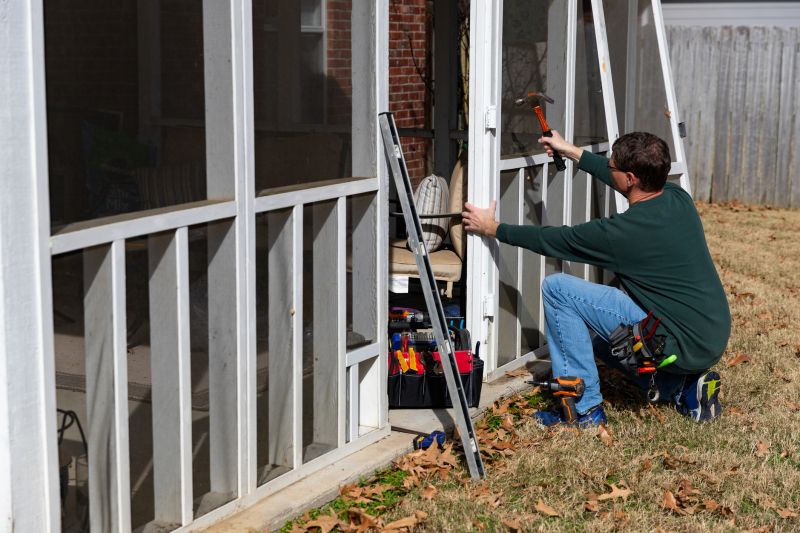
Clearly define your porch framing project and compare local contractors based on experience and written expectations.
- Verify the experience of local contractors in porch framing projects to ensure familiarity with similar structures. - Review the scope of work and clearly define expectations in written agreements with service providers.
- Assess the quality of materials and framing techniques used by potential contractors to ensure durability and safety. - Compare the credentials and project portfolios of local contractors to gauge their expertise.
- Ensure that detailed plans and specifications are provided and agreed upon before work begins. - Confirm that contractors understand and can meet the specific design and structural requirements.
- Check references or reviews to gauge the reliability and craftsmanship of local service providers. - Clarify the scope of work, including any additional features or finishes, to prevent misunderstandings.
- Discuss the project timeline and milestones to set clear expectations for project progress. - Insist on written documentation that outlines all agreed-upon terms and details.
Use this to compare local contractors, clarify project scope, verify experience, and set clear expectations in writing.
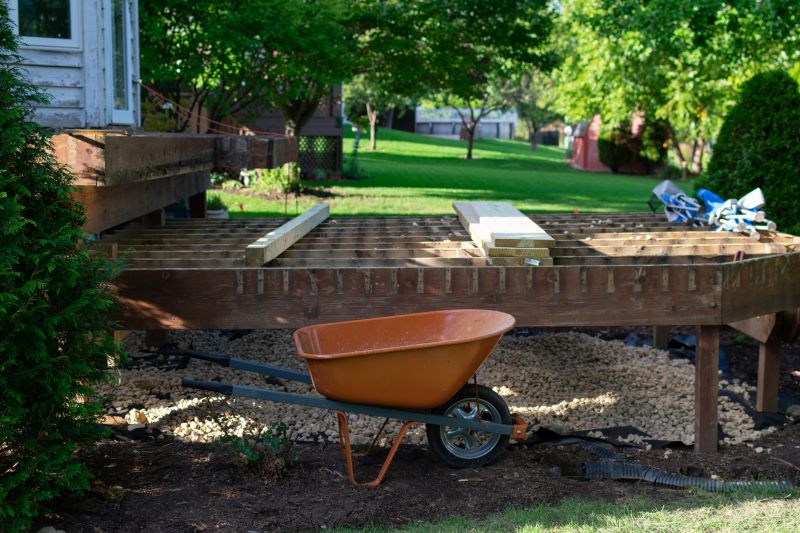
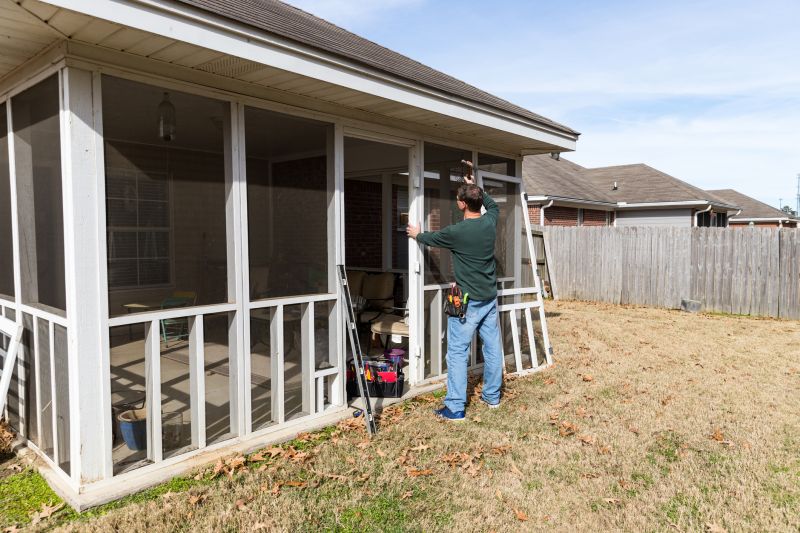
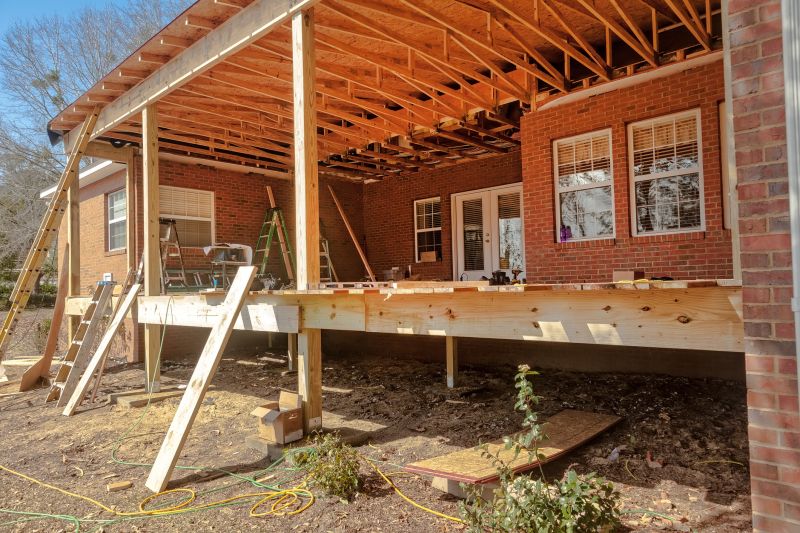
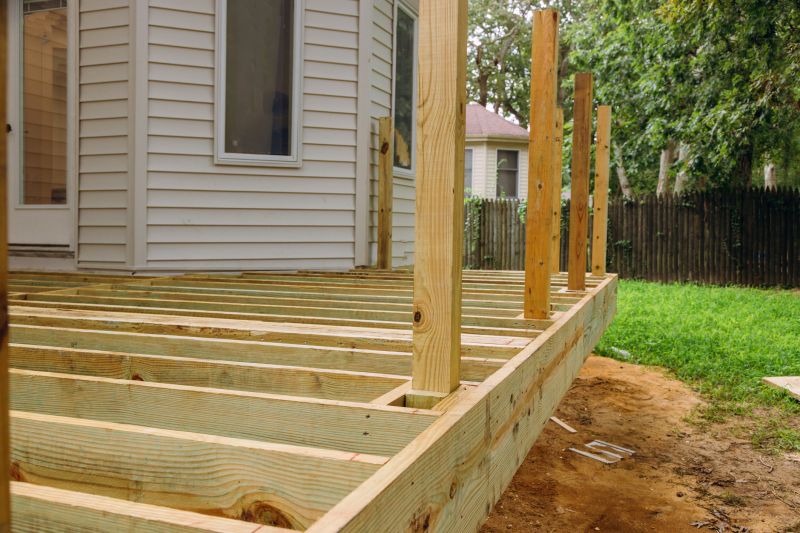
Learn how to compare porch framing contractors, define project scope, verify experience, and set clear expectations in writing.
- Define the scope of porch framing work - specify the materials, design, and structural requirements for the porch framing project.
- Verify the experience of local contractors - ensure service providers have relevant background in porch framing projects of similar scope.
- Establish project expectations in writing - document details such as materials, measurements, and responsibilities to prevent misunderstandings.
- Compare multiple service providers - evaluate each contractor’s scope, approach, and experience to identify the best fit for the project.
- Confirm the scope of work aligns with project needs - review and agree upon the defined scope to ensure all aspects of porch framing are covered.
When comparing contractors for porch framing projects, it’s essential to consider their experience with similar types of work. Homeowners should inquire about the scope of previous projects to ensure that the service providers have handled porch framing in environments and structures comparable to their own. A contractor’s familiarity with different design styles, materials, and structural requirements can influence the quality and durability of the finished porch. Verifying that a contractor has a track record of completing projects similar in size and complexity helps establish confidence in their ability to meet specific needs.
A clear, written scope of work is a critical factor in evaluating porch framing contractors. This document should outline the specific tasks involved, including measurements, materials, and any preparatory or finishing work. Having a detailed scope helps prevent misunderstandings and ensures that both parties have aligned expectations. Homeowners should look for service providers who can articulate the project plan in writing, providing clarity on what will be included and what may be outside the initial agreement. This transparency is key to establishing a solid foundation for the project.
Verification of a contractor’s basic credentials involves checking references, reviewing past work, and confirming their familiarity with local building codes and standards. While licensing and certification are not discussed here, gathering feedback from previous clients can offer insights into the contractor’s reliability and workmanship. Homeowners should ask for examples of completed porch framing projects and inquire about any challenges faced during those jobs. This process helps identify service providers who consistently deliver quality results and adhere to best practices within the local construction environment.
Evaluating options without focusing on prices involves assessing the quality of communication, professionalism, and the level of detail provided during initial discussions. Homeowners should compare how each contractor describes their approach, the thoroughness of their scope, and their responsiveness to questions. It’s also beneficial to consider the contractor’s reputation based on references and past projects. By focusing on these qualitative factors, homeowners can better determine which service providers are capable of delivering a reliable, well-executed porch framing project that aligns with their expectations.
Ask contractors to provide written scope details to ensure clear expectations and consistent project understanding.
- Experience and Credentials - What specific experience do local contractors have with porch framing projects similar to yours?
- Scope of Work - How do contractors define and outline the scope of porch framing services they provide?
- Material and Design Options - What options do local service providers recommend for framing materials and design features?
- Project Expectations - How do contractors clarify project expectations and deliverables in writing before starting work?
- Comparison Factors - What criteria should be used to compare different local contractors’ approaches to porch framing scope and quality?
What should I consider when choosing a contractor for porch framing? It's important to compare local contractors based on their experience, reputation, and scope of services to ensure they meet the specific needs of your porch framing project.
How can I verify a contractor’s experience with porch framing projects? You can ask for references, review past work, or inquire about their experience handling similar porch framing jobs to assess their expertise.
What details should be included in a scope of work for porch framing? A clear scope should outline the materials to be used, the specific framing techniques, project dimensions, and any additional work or finishes required.
Why is it important to have a written agreement with a porch framing contractor? A written agreement helps set expectations, defines the scope of work, and provides clarity on responsibilities, reducing potential misunderstandings.
How can I compare different porch framing contractors effectively? Review their experience, request detailed proposals, check references, and ensure their scope of work aligns with your project needs.
What questions should I ask a contractor before hiring for porch framing? Ask about their experience, the materials they recommend, how they handle project scope, and how they communicate progress and changes during the job.
By reviewing the information provided, visitors can gain a clearer understanding of the importance of defining project scope, verifying experience, and setting clear expectations in writing when choosing a contractor for porch framing. Comparing multiple service providers helps ensure that homeowners find the right fit for their specific needs and preferences. Using the quote form to explore local contractor options makes it easier to connect with qualified professionals who can handle the job effectively.
Utilizing the quote form allows visitors to compare different local contractors, helping to identify service providers with the appropriate experience and approach for porch framing projects. This process supports making informed decisions by reviewing and defining project details upfront. Taking the time to explore local options through this tool can lead to better alignment with the scope and expectations for the work.